For your information
You are being redirected to one of our divisional subsites which contains more detailed information on the required division. To navigate back to the main Invicta Group site, please click the link found in the footer at the bottom of the page.








5 effective ways to improve warehouse productivity
3rd October 2025
Quick Quote
Contact Mick Coyne
To get a quotation or arrange a free site survey - Call Mick Coyne on
-
 UK
UK
Current location:
Quick Quote
Contact Mick Coyne
-
UK
Current location:
Productivity improvements to warehouses may represent marginal gains, but these are increasingly important in what is a highly competitive sector. The incremental impact of increasing productivity can add up to a major impact on profits, not to mention the potential for greater happiness, engagement and retention.
The methods for improving productivity we’ve outlined below vary in cost and complexity. What they all offer is the potential for substantial, long-term improvements to warehouse productivity at various levels—with significant long-term benefits for your organisation.
Reduce ‘dropped sessions’
Recent research by Stay Linked shows that dropped sessions—where a session on a handheld device ends prematurely due to technical or connection issues—cost businesses an average of £13.02 per employee. This includes a cost of £10.02 per employee for lost time fixing the problem, and an additional cost of £3 per employee for IT support. Respondents reported an average of more than two dropped sessions per day, indicating that some workers may experience significantly more than this.
Dropouts are a regular and recurring issue across the sector that can almost nullify the substantial benefits of a well-configured and integrated WMS. This is a result not only of time spent reconnecting and repeating the same actions, but also of technical support enquiries, which can take significantly longer to resolve.
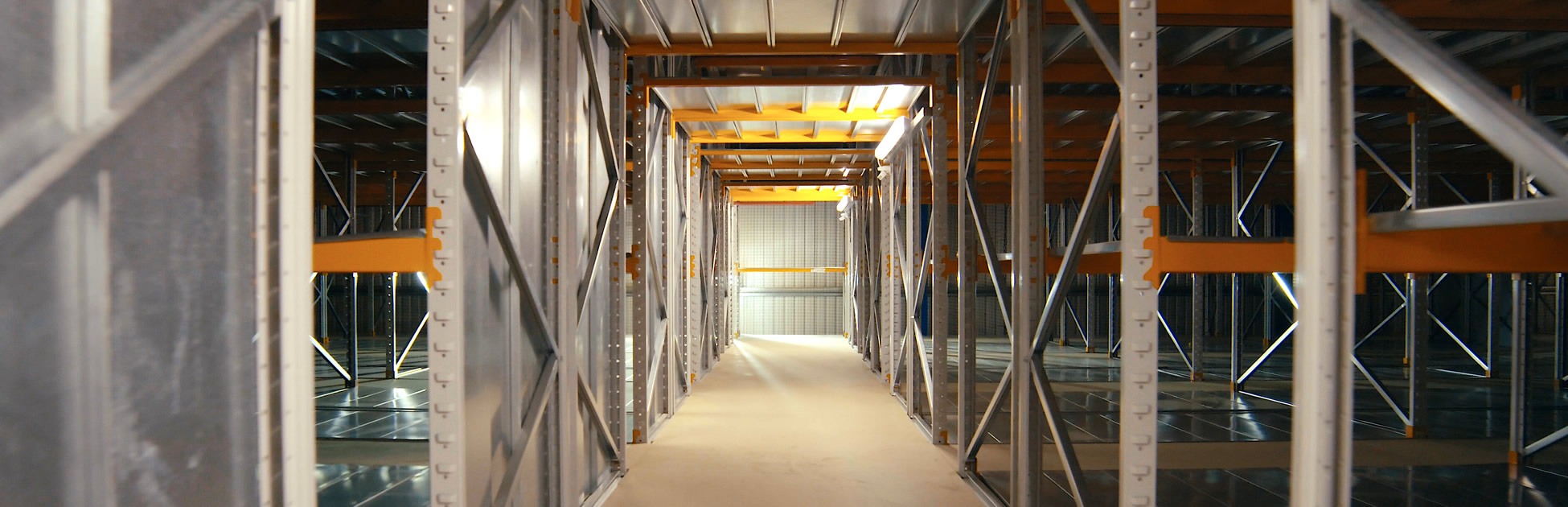
Dropped sessions will generally be down to signal blackspots and inconsistencies throughout the warehouse. This can sometimes require a technical solution, such as more base stations to distribute the wireless signal more easily, or utilising a different frequency to reduce interference. However, it can also be a design issue, with wireless signals often being blocked by dense racking. Wide aisle racking or similar solutions can allow signals to propagate more effectively, providing line-of-sight with wireless antennae.
Maintain a comfortable work environment
Mental and physical wellbeing are a major contributor to productivity loss, with employees lacking focus or motivation. This can also turn into a broader health and safety issue, with a lack of concentration or tiredness leading to potentially dangerous mistakes and oversights. Reducing the incidence of poor mental health doesn’t have to mean sacrificing productivity through extra breaks or holidays, however. Even simple changes can have a measurable positive effect.
Increasing your warehouse vehicle fleet or investing in new vehicles can make manual tasks less strenuous, such as using electric stackers or forklifts instead of hand pallet trucks. It’s also important to show your commitment to safety generally by investing in safety training, providing the correct equipment and learning materials, and giving employees the opportunity to confidentially report any issues.
Perhaps counter intuitively, improving physical health and safety can also improve mental health. Being more certain in their general safety at work will often make people happier, and can lead to greater employee retention. This is particularly important at a time when warehouses are struggling to hire junior operatives, and having to undertake costly recruitment drives or offer significant incentives.
Rethink your racking design
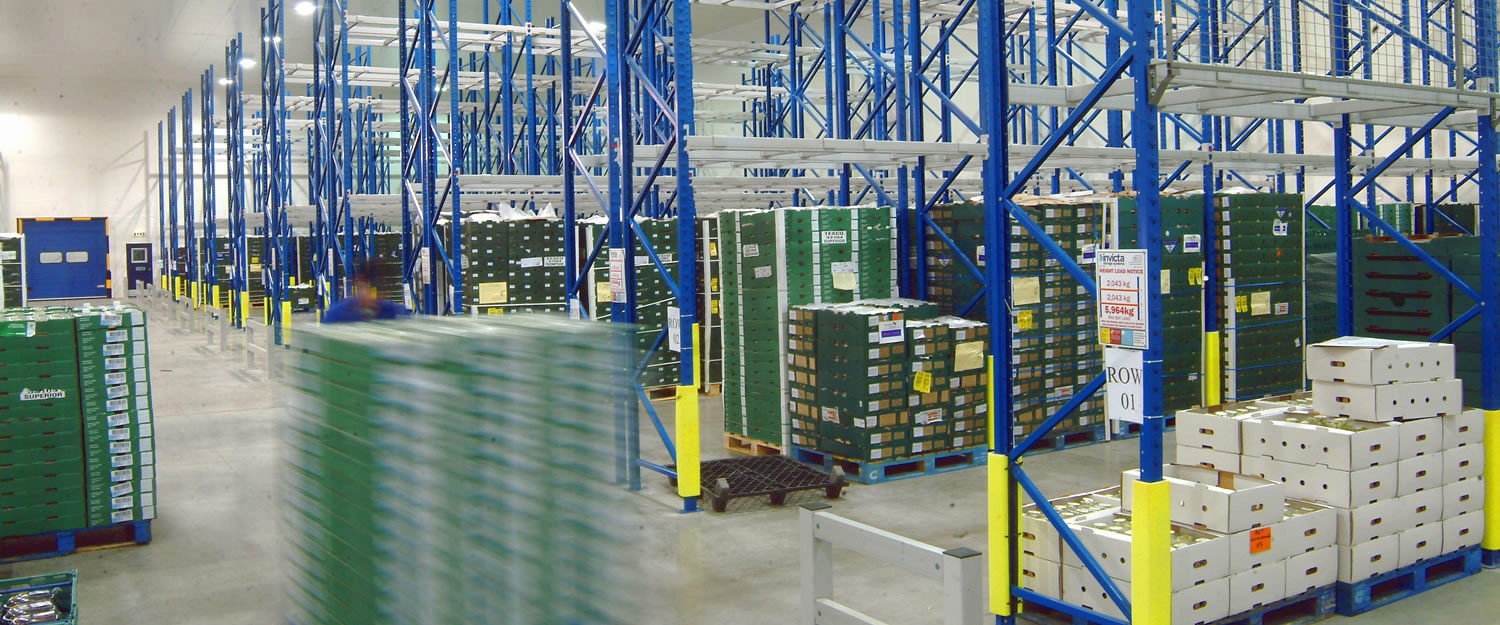
An orthodox warehouse layout is often applied across warehouses and industries despite not being best adapted to the needs of your specific business. The result can be ‘one-size-fits-all’ racking that does a job, but is nowhere near as efficient as it could be, with suboptimal traffic flows and high-traffic items being placed too far from packing and distribution areas.
Working with a high-density racking provider can help you to draft a warehouse design that seamlessly integrates different kinds of racking. This can allow for higher density and more effective storage of different kinds of items, catering not just to a wide range of SKUs, but also to seasonal changes in stored goods. It can also help to identify bottlenecks in your warehouse that may dictate how the racking is arranged, and where specific racks are placed, as well as opening up opportunities for formats such as automatic racking.
Explore warehouse automation
Warehouse automation is past the guinea pig stage, and the teething problems suffered by early adopters (including giants such as Amazon) need not be repeated on a smaller scale. Automation offers a genuine advantage if implemented properly and at a sensible scale, and the growth of robots-as-a-service (RaaS) allows warehouse robots and autonomous vehicles to be trialled before deciding to integrate the tech fully.
On a structural level, automatic storage and retrieval systems (AS/RS) allow for increasingly advanced, WMS-driven automation of multi-tier racks. However, automation can also be more low-key, or gradually introduced to test its viability. Autonomous vehicles can help to move pallets between areas, with sensors allowing them to safely navigate the space without collisions. Packing robots meanwhile are becoming increasingly sophisticated, with the ability to safely handle smaller and more fragile items.
Source employee feedback
Involving warehouse operatives in discussions about workplace changes can generate new insights, as well as demonstrating trust in your talent. Employees on the ground are navigating your warehouse’s physical layout and operations every day, and will have an innate understanding of the difficulties involved in their work. By consulting with them, you gain access to a wealth of practical knowledge about what works, and what creates bottlenecks.
For example, operatives might suggest a seemingly minor tweak to picking routes that could save significant time in the long run. They might also identify areas where equipment placement is limiting efficiency, or where outdated processes could be improved through the use of new technology. This firsthand perspective allows for solutions that directly address real-world challenges, minimising disruption and maximising the effectiveness of the changes.
When operatives feel heard and involved, they also become invested in the success of the new procedures. This fosters a sense of ownership and increases buy-in, as operatives are more likely to embrace changes they helped shape—all leading to smoother implementation and a more productive warehouse environment.
–
Increasing warehouse productivity can often feel as though it comes at the expense of employees, be it through productivity tracking or reducing unnecessary downtime. The solutions above take a more employee-centric approach, improving productivity by making things easier for employees. The result is a more engaged workforce, and processes which benefit productivity without losing staff.
Accreditations & Affiliations






Share/Like this page