For your information
You are being redirected to one of our divisional subsites which contains more detailed information on the required division. To navigate back to the main Invicta Group site, please click the link found in the footer at the bottom of the page.








How To Cope With Variable Stock Numbers From Seasonal Returns
5th November 2025
Quick Quote
Contact Mick Coyne
To get a quotation or arrange a free site survey - Call Mick Coyne on
-
 UK
UK
Current location:
Quick Quote
Contact Mick Coyne
-
UK
Current location:
In a society where purchasing can come at the click of a button and 24 hour delivery means that warehouses are constantly sending items out, it comes as little surprise that many items get returned. And it only gets worse as the festive season rolls around. Research shows a huge proportion of Christmas gifts get returned, and businesses are struggling to cope. Here are some of the common issues and how to deal with them sensibly and without massive investments.
The challenge of returns season for warehouses
One of the biggest issues with dealing with returns is that the warehouse has to continue to function as an outgoing portal as well. Shopping, be it for Christmas or otherwise, is undertaken online more than ever, and the same warehouses that take back in stock, also need to continue to send stock out at the same time. And at times where there is a high rate of orders -such as those around the festive season or when a large sale happens- comes the inevitable high rate of returns, but how can you manage stock and the space needed when the numbers in and out are in a constant state of flux?
Tips for coping with returns during busy periods
The higher level of returns (known in the biz as reverse logistics) during a busy christmas or sales period can quickly overwhelm the day to day functioning of even the best warehouse. This in turn leads to longer processing times, extra labour costs and a decrease in customer satisfaction, as the process grinds to a halt. To combat this, here are a few ways in which warehouses can adopt proactive strategies to handle the challenge of returns head on.
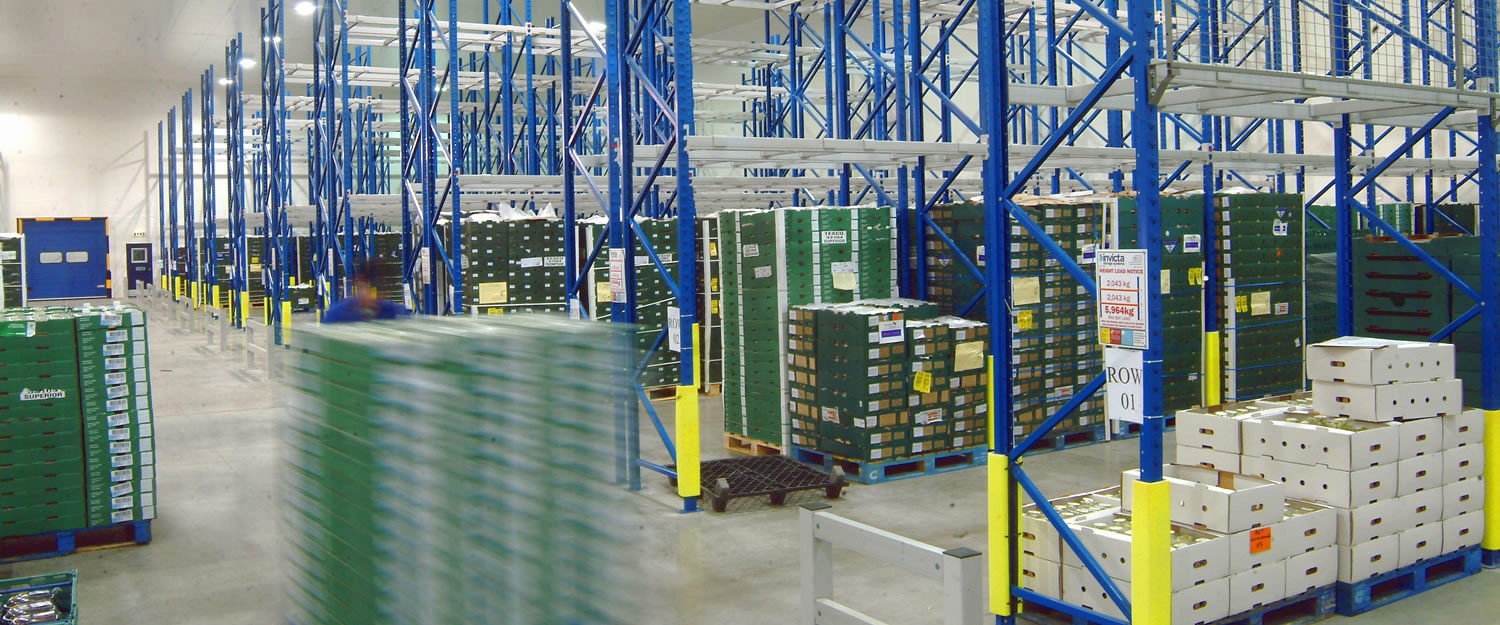
Utilise high density pallet racking
There’s no time like the build up to a busier period to make you scrutinise if your current systems are best serving you. Whereas generic storage may have served you before, as your business grows it may be time to look at high density pallet racking in order to improve the efficiency and storage capacity of your warehouse.
High density pallet racking systems come in a variety of options, all of which are designed to make the absolute best use of the space you have to hand, by storing pallets in creative ways. Which one you opt for will depend on the unique needs of both your location and the goods that you store, as well as how frequently you will need to access them.
If you want to keep alterations minimal, double deep racking could be the best option for you. As the name suggests, it provides additional storage density by layering pallets two deep, with access available from the same aisle. Pallets are then added and removed by specialist forklifts with extending forks or side forks. This type of storage is particularly useful for storing multiple pallets of the same item.
Sometimes also known as drive thru racking, this system allows you direct access to pallets on either side of the aisle. Popular with quick turn over goods, it is an ideal solution for FIFO (first in, first out) inventory management, such as items with a limited shelf life.
This unique system makes use of very narrow aisles (hence the name) and requires the use of specially designed forklifts to access the stored pallets. It offers extremely high storage capacity but does require careful planning and skilled operators to use them.
This system provides up to 25% more storage space over a conventional system and is ideally suited to items with an unlimited or long shelf life, as it operates on a (LIFO) last in, first out basis. It uses gravity to push pallets back deep into the rack, allowing for the high density of storage.
Consider multi-tier racking options
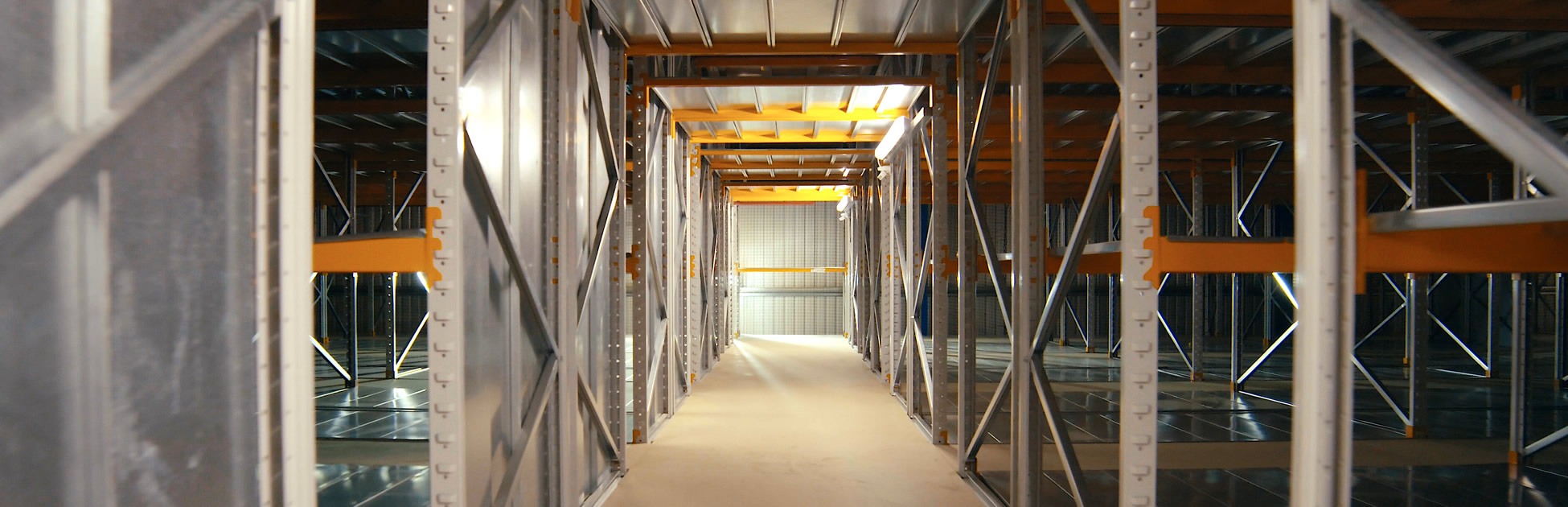
Alternatively, If you have excess headroom, you could also opt for expanding upwards. Multi tier racking is a wonderfully flexible solution for tall storage areas or where physical floor space is limited. By creating levels within your pallet storage, you can efficiently make use of every metre of floor space that you have available.
If your warehouse deals with a mixture of smaller items and palleted goods, multi tier systems can offer you a flexible solution to cater for both. Unlike traditional layouts that rely heavily on forklifts to access inventory, multi-tier systems effectively allow you access to multiple levels of racking by hand.
Plus, you can incorporate walkways, integrated lifts and mezzanines floors to create a versatile storage environment that perfectly suits your needs and layout. This will then enable workers the access and ability to hand pick smaller items directly from the racks, significantly improving your order picking efficiency. Combine this with strategically placed pallet gates and you can keep the movement between levels efficient and proactive at all times.
Have a dedicated returns area.
For times of dynamic movement of incoming returns and outgoing stock, having the outgoing stock in these higher levels means that you can free up floor space for a dedicated returns area down on the ground, exclusively for the processing and storage of returned stock, meaning that the cross over will be minimal. When the heavy returns traffic has ended, you can then convert these levels into storage for items that best suit your day to day running.
In many settings, such as retail storage, there will be the need for -sometimes lengthy- processing, to weed out the veracity of refund worthy returns and deciding action on what to do about refunds and replacements, for both the customer and the items themselves. This means that space is needed for this to happen and it may need to sit there for some time while this process takes place. Without a dedicated area for this to happen, returned stock will quickly pile up and slow down the rest of the warehouse operations, as well as heightening the chance of the ingoing and outgoing stock getting mixed up.
Another consideration for returned items, is the condition in which they come back in. Some may pose a hazard to workers in the warehouse and could need to be disposed of once logged, such as those with faulty parts or batteries. It is essential that these items are kept apart from the main stock in the warehouse, for reasons far more pressing than simply mixing up the new and used stock.
Proactive warehouse management
Sometimes the simplest options are the most overlooked. Being officiously organised in the run up to busier periods can be the deciding factor in keeping everything running smoothly, provided you have systems in place and the space to meet demands.
Proactive warehouse management is important all year round, but it is absolutely essential for coping with the challenges of a dynamic, ever changing stock count of the festive season. Here are a few strategies that could help you to streamline your operations without too much extra cost – keeping both you are your clients happy.
An efficient, straight forward returns process.
No one likes an overly complicated returns process, and while designed to put off excess returns, they usually end up just making them more lengthy for everyone. If it is within your control, develop a streamlined process, with clear guidelines for customers and workers alike. Assign a set protocol for each stage: inspecting, sorting and restocking/replacing or disposal, where necessary.
Optimised warehouse layout (even if just for the busier periods)
Ensure that the layout of the warehouse ideally suits the busy period long before it has begun, with a dedicated returns space and training for the temporary changes (and locations) for all staff members.
Advanced Warehouse Management Systems.
Now more than ever, you need a robust WMS to keep track of inventory going in and out of the warehouse, that takes into account altered storage solutions for this busier period.
Effective (& maybe extra) labour management
As with the training previously mentioned, it helps to take a moment to plan out schedules. This should include over-time, flexible scheduling in the event of sickness and extra staff where necessary.
Strong communication
All of the best plans for extra storage and processes amount to nothing without effective communication between staff, teams and management. Maintain open and honest communication with those on site and suppliers or delivery drivers about every aspect of the warehouse, such as stock levels and changes to procedures.
–
In today’s world of quick buys and even quicker delivery options, the issue of excess returns is here to stay. However, it needn’t be a stressful ordeal every time sales roll around.
Invicta Racking have been designing, creating and installing pallet racking and storage solutions for more than 30 years and can help you create the ideal solution for your warehouse, both during heavy traffic periods and in the everyday running.
With a complementary site visit, our dedicated project managers will assess your specific needs and build a racking system to match. Contact us today to speak to an expert advisor, and never stress over your heavy return periods again.
Accreditations & Affiliations






Share/Like this page